Indian Student Advantage
Why CUCOM Stands Apart for Indian Students
Choosing the right medical program abroad requires clarity,
confidence, and outcomes. CUCOM is designed with these priorities
at its core.
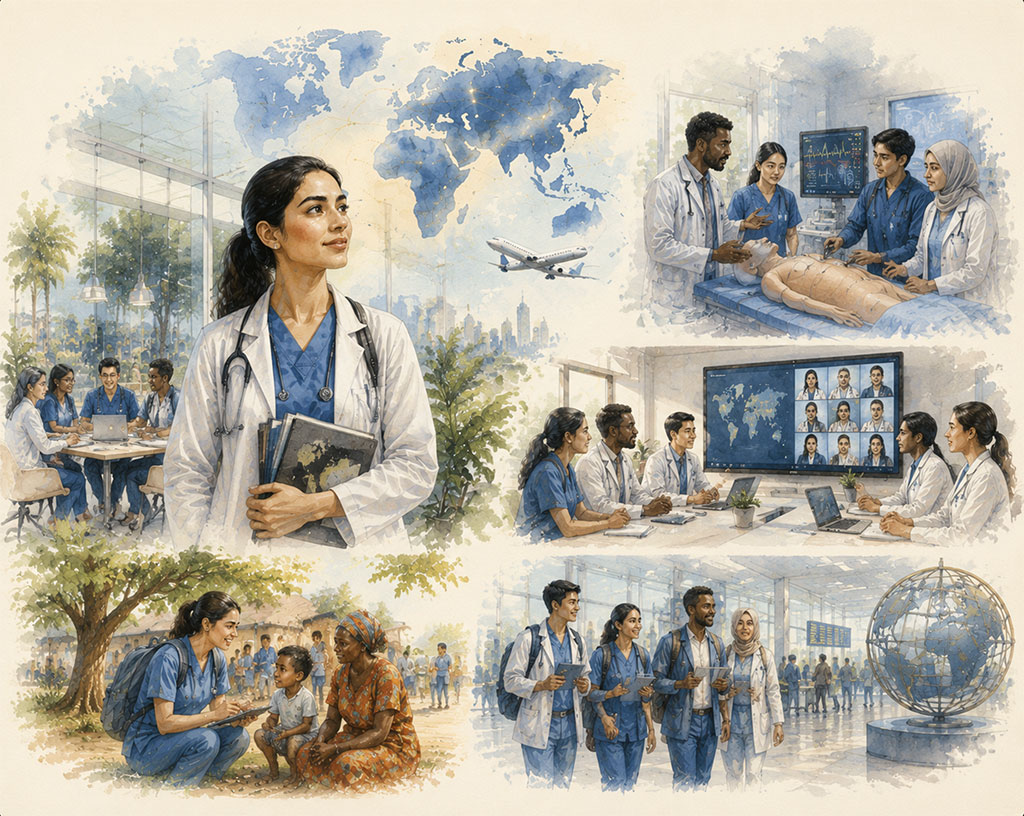
Clinically Oriented, Globally Aligned Curriculum
A structured academic framework that goes beyond theory,
integrating early clinical exposure, simulation-based training,
and continuous reinforcement, preparing students for real-world
medical practice.
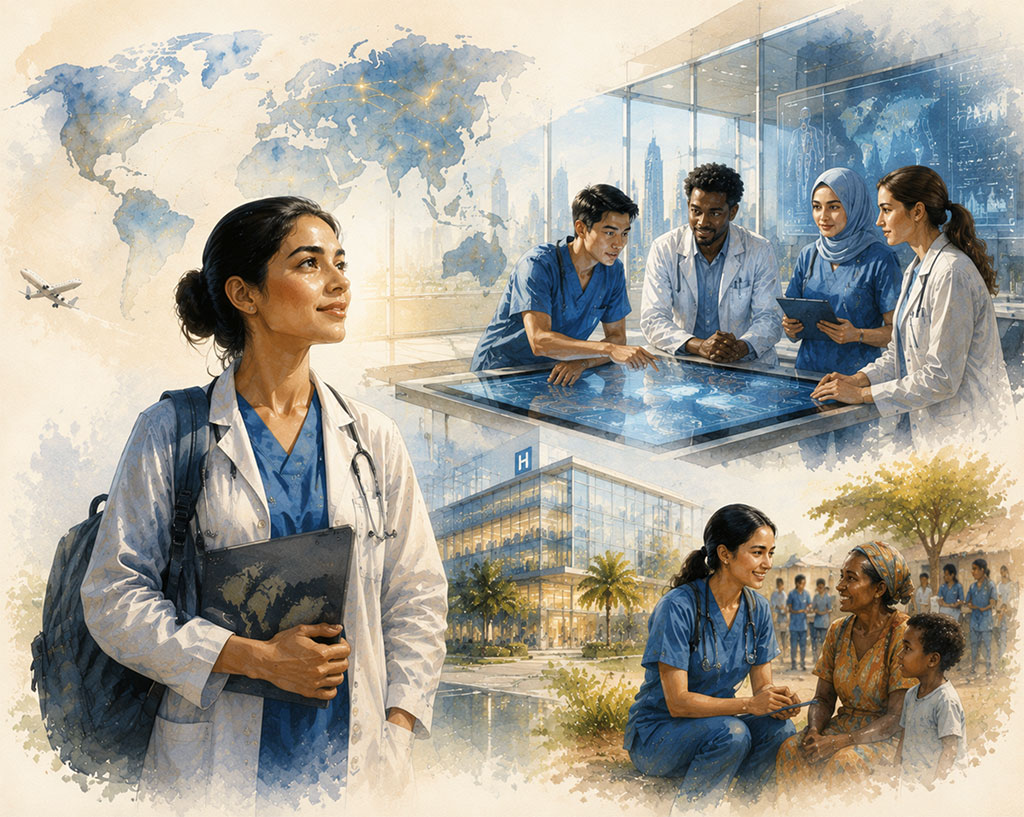
Learning That Goes Beyond the Conventional MBBS Model
Through integrated programs such as CU-ELITE, BHSM, and
CU-CONNECT, students develop communication, ethics, and
community-based understanding.
Continuous and Focused Academic Structure
A robust system that ensures learning remains consistent,
helping students maintain momentum and progress efficiently
through the program.
Aligned with Indian and Global Expectations
Our MD program is designed to be internationally relevant
while remaining compatible with the expectations of medical
practice and pathways in India.
Comparable with Indian NMC Mandated CBME
CUCOM’s curriculum reflects the principles of Competency-Based
Medical Education (CBME) as outlined by the National Medical
Commission (NMC), India.
- Integration of basic and clinical sciences
- Early clinical exposure
- Skill-based learning and simulation
- Continuous assessment and feedback
- Professionalism, ethics, and communication
Learning is structured around competency development, ensuring
that students are able to apply knowledge, demonstrate clinical
skills, and function effectively in patient care settings.
Elements similar to NMC CBME such as AETCOM (Attitude, Ethics
& Communication), skill-based training, and community
engagement are embedded within the curriculum through CUCOM’s
academic framework.
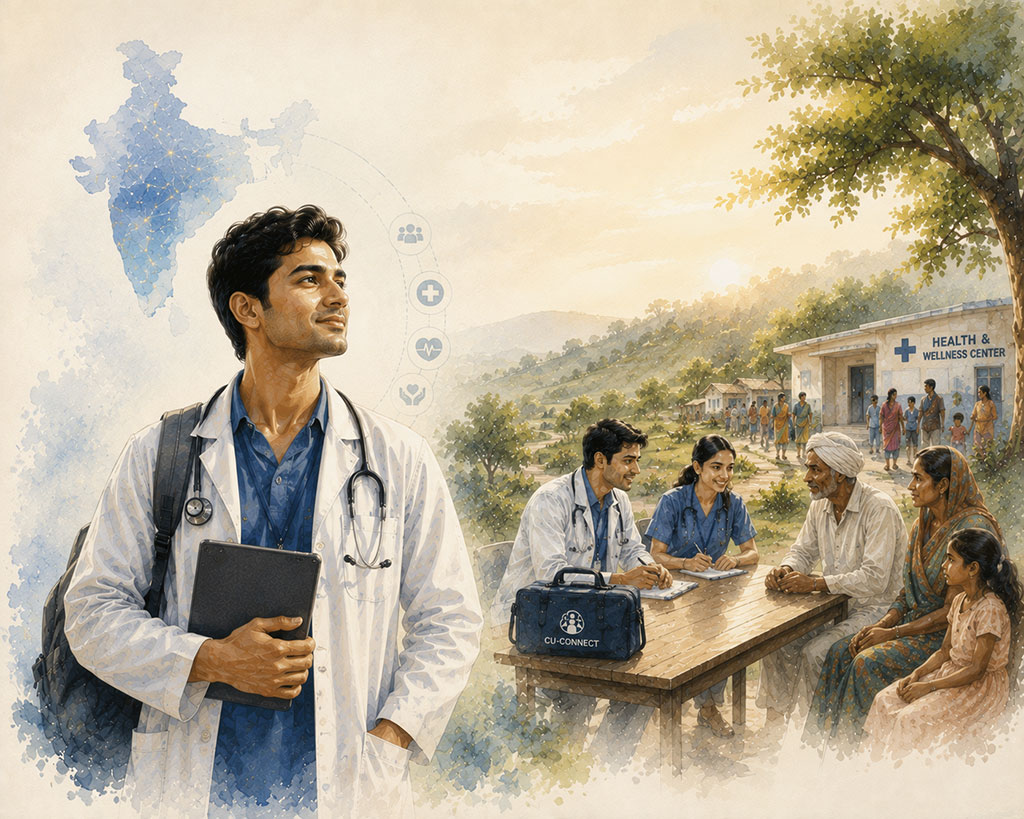
Addressing India’s Healthcare Needs
India’s healthcare system requires doctors who can function
effectively not only in hospitals, but also in community and
primary care settings.
- Community-oriented programs (CU-CONNECT)
- Exposure to population health and public health principles
- Training in communication, ethics, and patient-centered care
- Understanding of social determinants of health
Students develop the ability to work in resource-variable
settings, respond to diverse patient needs, and contribute to
improving healthcare accessibility.
This approach ensures that graduates are not only clinically
competent, but also capable of addressing real healthcare
challenges in India, including rural health, preventive care,
and public health priorities.