
Bachelor of Humanistic and Socialistic Medicine (BHSM)
The Beyond Campus Curriculum (BCC) is a distinctive, internationally oriented program that includes the Bachelor of Humanistic and Socialistic Medicine (BHSM) for healthcare providers
It is offered by the Department of Education, Faculty of Medicine, University of Porto, Melbourne, Australia.
The program is led by Prof. Russell D’Souza, Head of Department of Education, International Chair in Bioethics, an internationally recognized academic in medical education who has been instrumental in advancing the integration of ethics, professionalism, and human values into healthcare training at a global level.
BHSM is designed to complement core medical training by focusing on the human and social dimensions of healthcare. It introduces students to a broader perspective of medicine, where clinical competence is supported by empathy, ethics, communication, and social responsibility.

Salient Features
Research Methodology Training with FHTS
(Integrated Across the MD Program)
At CUCOM, research training is introduced early and developed progressively through collaboration with the Foundation of Healthcare Technologies Society (FHTS), New Delhi.
This structured integration ensures that students build the ability to understand, design, and apply research within real healthcare contexts.
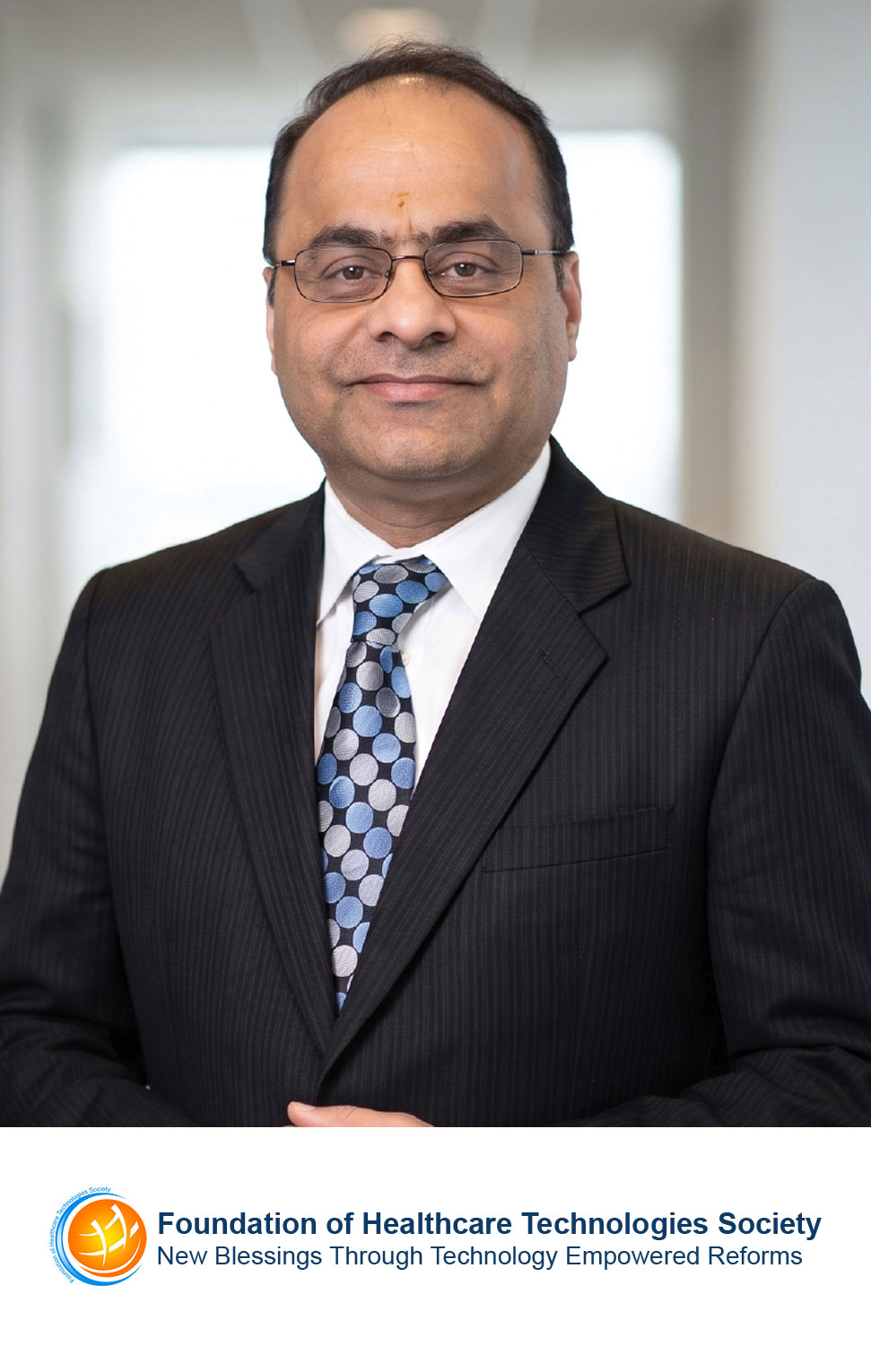
This collaboration is strengthened through the academic leadership of Dr. Ashish Joshi MBBS, MPH, PhD, Founder of FHTS and Dean & Distinguished Professor, University of Memphis, USA.
Dr. Joshi’s work in public health, digital health, and population-based research brings a strong focus on evidence-based practice and real-world healthcare challenges. Through this collaboration, students are exposed to global research perspectives, interdisciplinary approaches, and applied public health solutions, preparing them to contribute meaningfully to healthcare beyond clinical practice.
| Sl. No | MD Year | Academic Program |
|---|---|---|
| 1 | MD Year 1 | Fundamentals of Population Health Research (FPHR) |
| 2 | MD Year 2 | Human-Centred Design and Development of Community Health Intervention (HCD-DCHI) |
| 3 | MD Year 3 | Human-Centred Design and Development of Community Health Intervention (HCD-DCHI) |
| 4 | MD Year 4 | Principles of Health Policy, Advocacy and Leadership (PHPAL) |
Integrated Learning Approach
Students begin with foundations of research and population health, gradually moving into designing community-based interventions, and finally into policy, advocacy, and leadership.
Through this integration, students develop:
- Understanding of research methodology and data interpretation
- Ability to design and evaluate community health interventions
- Awareness of health systems, policy, and leadership
- Skills to translate research into practice